


Profi Werkzeug Online Shop
Add a review FollowOverview
-
Founded Date November 21, 1918
-
Sectors Restaurant / Food Services
-
Posted Jobs 0
-
Viewed 41

Company Description
20 Fun Facts About Stationary Planer Price
A Comprehensive Guide to Stationary Planer Prices
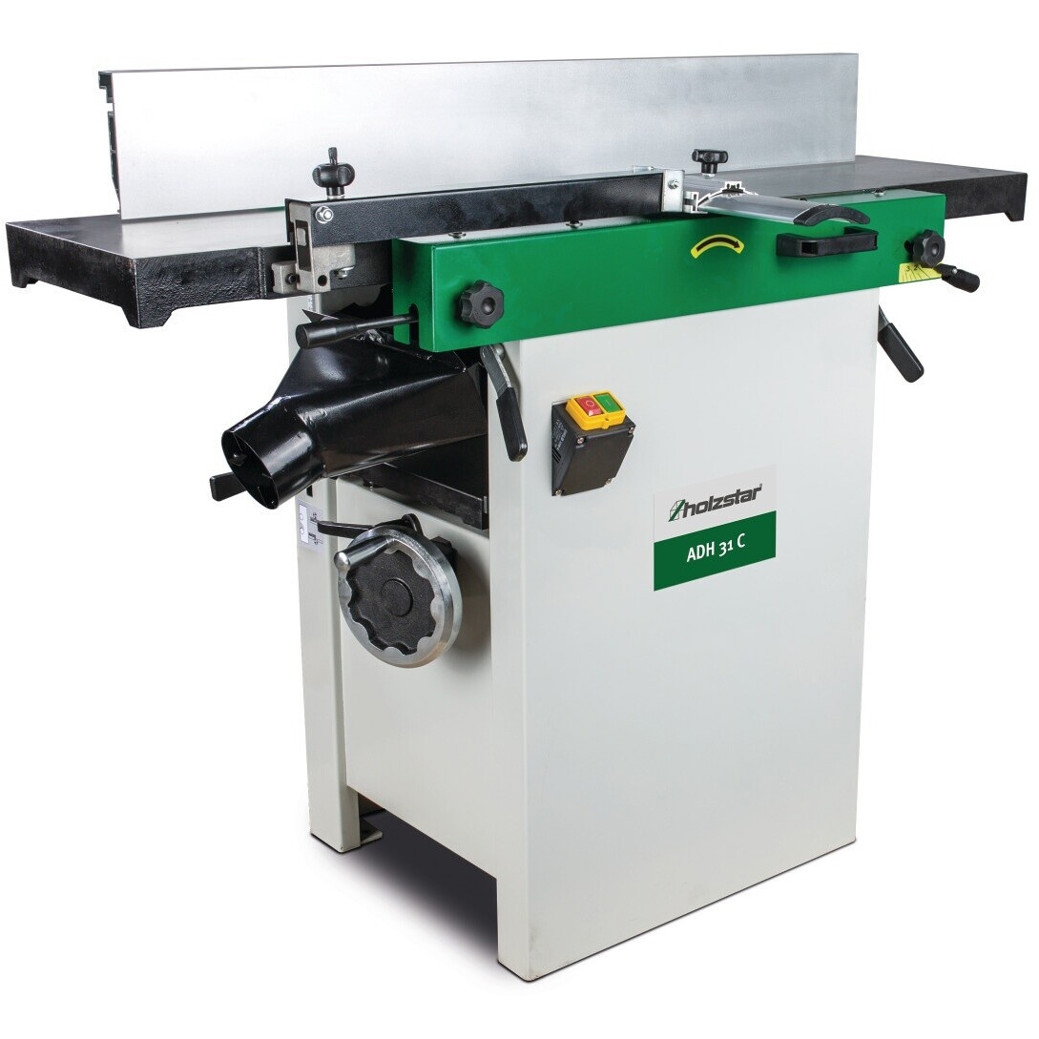
In the woodworking community, stationary planers are essential tools for anyone aiming to achieve a smooth and consistent surface on their lumber. Whether you are a seasoned professional or a weekend hobbyist, understanding the costs related to different types of stationary planers can help you make informed choices. This article will look into the factors influencing the costs of stationary planers, explore numerous types and their price ranges, and supply a helpful FAQ area to address typical queries.
Kinds Of Stationary Planers and Their Prices
Stationary planers come in a number of types, each created for particular jobs and user requirements. Below, we will breakdown the most common types in addition to their price ranges:
| Type of Planer | Price Range (GBP) | Description |
|---|---|---|
| Thickness Planer | ₤ 400 – ₤ 2,500 | Perfect for lowering wood thickness and ensuring uniformity. |
| Jointers | ₤ 300 – ₤ 3,000 | Primarily utilized for flattening one edge of a board or its face. |
| Spindle Moulder | ₤ 1,200 – ₤ 8,000 | Utilized for forming wood edges, typically with complex profiles. |
| Drum Sander | ₤ 1,000 – ₤ 5,000 | Offers a smoother finish than traditional sanding techniques. |
| Round Planer | ₤ 2,000 – ₤ 10,000 | Suitable for processing large logs and beams. It stands out in large production environments. |
Factors Influencing Planer Prices
Understanding what impacts the prices of stationary planers is important for any buyer. Numerous elements contribute to the variation in costs:
-
Type of Planer: The primary function of the planer will mostly dictate its price. For example, jointers tend to be less costly than spindle moulders given their more uncomplicated operation.
-
Size and Capacity: Larger planers with higher capacities generally command a higher price due to their ability to handle more substantial work.
-
Motor Power: The horsepower of the motor is a critical aspect in identifying price. More effective motors can manage bigger and trivox-Versand.de tougher products, resulting in a higher cost.
-
Brand name Reputation: Renowned brands might charge more for their planers due to perceived quality, reliability, and client service.
-
Features and Technology: Planers equipped with sophisticated functions such as digital readouts, automatic feed systems, or dual-blade setups frequently come at a premium.
-
Material Quality: The type of materials utilized in the building and construction of the machine (e.g., cast iron vs. aluminum) can significantly influence the total expense and sturdiness.
-
Used vs. New: Purchasing an utilized planer can offer substantial savings, but purchasers ought to consider aspects like previous maintenance and total wear and tear.
Planer Price Comparisons
To provide a clearer understanding of what you can anticipate in terms of rates, we assembled a short list of examples from different makers:
| Model | Type | Price (GBP) | Key Features |
|---|---|---|---|
| DeWalt DW735 | Thickness Planer | ₤ 600 | 13-inch width, two-speed feed rate, 20,000 RPM |
| Jet JJP-12 | Jointer/Planer | ₤ 1,400 | 12-inch capability, integrated dust port |
| Grizzly G0490X | Jointer | ₤ 1,800 | 8-inch jointer, casting, 2-Horsepower motor |
| Powermatic PM-2700 | Spindle Moulder | ₤ 5,750 | Accuracy settings, easy blade height change |
| SuperMax 19-38 | Drum Sander | ₤ 2,000 | Dual-drum setup, variable speed |
Where to Buy Stationary Planers
Finding the ideal machine can be a difficult job, particularly with the variety of choices available in the market. Below are some popular merchants and platforms where you can purchase stationary planers:
-
Lumberyards: Specialized lumber and woodworking shops often bring high-quality planers and boast educated personnel.
-
Home Improvement Stores: Retailers like Home Depot and Lowe’s normally stock a variety of stationary planers from popular brand names.
-
Online Platforms: Websites like Amazon, eBay, and specialized woodworking websites offer a broader selection, frequently with competitive pricing and client reviews.
-
Manufacturers’ Websites: Buying directly from brand names can offer better service warranty options and in some cases unique discount rates.
Selecting the Right Planer
When deciding which stationary planer to purchase, think about the list below factors:
-
Project Requirements: Identify your most common jobs. Do you require raw lumber gotten ready for furnishings, or are you aiming to develop specific moldings?
-
Budget plan Limitations: Set a spending plan that suits your needs without compromising on important quality.
-
Area Availability: Stationary planers can take up considerable area. Evaluate your workshop layout before purchasing.
-
Long-Term Investment: Remember that a greater initial cost can lead to better efficiency and toughness, resulting in possible savings on repair work and replacements in the long run.
Often Asked Questions (FAQ)
1. What is the typical life expectancy of a stationary planer?
The typical life expectancy of a stationary planer can vary from 10 to 20 years, depending on use and maintenance practices.
2. Can I utilize a stationary planer on rough lumber?
Yes, stationary planers are designed to work on rough lumber. They will help accomplish smoother surfaces and constant thickness.
3. Is a jointer the same as a planer?
No, while both tools are utilized to prepare wood for tasks, a jointer flattens edges and deals with, while a planer reduces wood thickness.
4. How often should I sharpen planer blades?
Routine honing usually happens every 8-12 hours of use, however this may vary based upon the wood type and amount of resin it consists of.
5. Exist any safety issues when using stationary planers?
Constantly follow security precautions such as using protective eyeglasses, keeping a clear work area, and bewaring with feeding wood into the machine.
The price of stationary planers may differ considerably based on the type, functions, and brand name. By comprehending the different aspects that affect prices and knowing your specific requirements, purchasers can confidently select a planer that best fits their spending plan and requirements. Investing in a quality stationary planer is not almost purchase cost; it is about enhancing your workmanship and guaranteeing your woodworking tasks are carried out with accuracy and professionalism.
